
Septic Installation
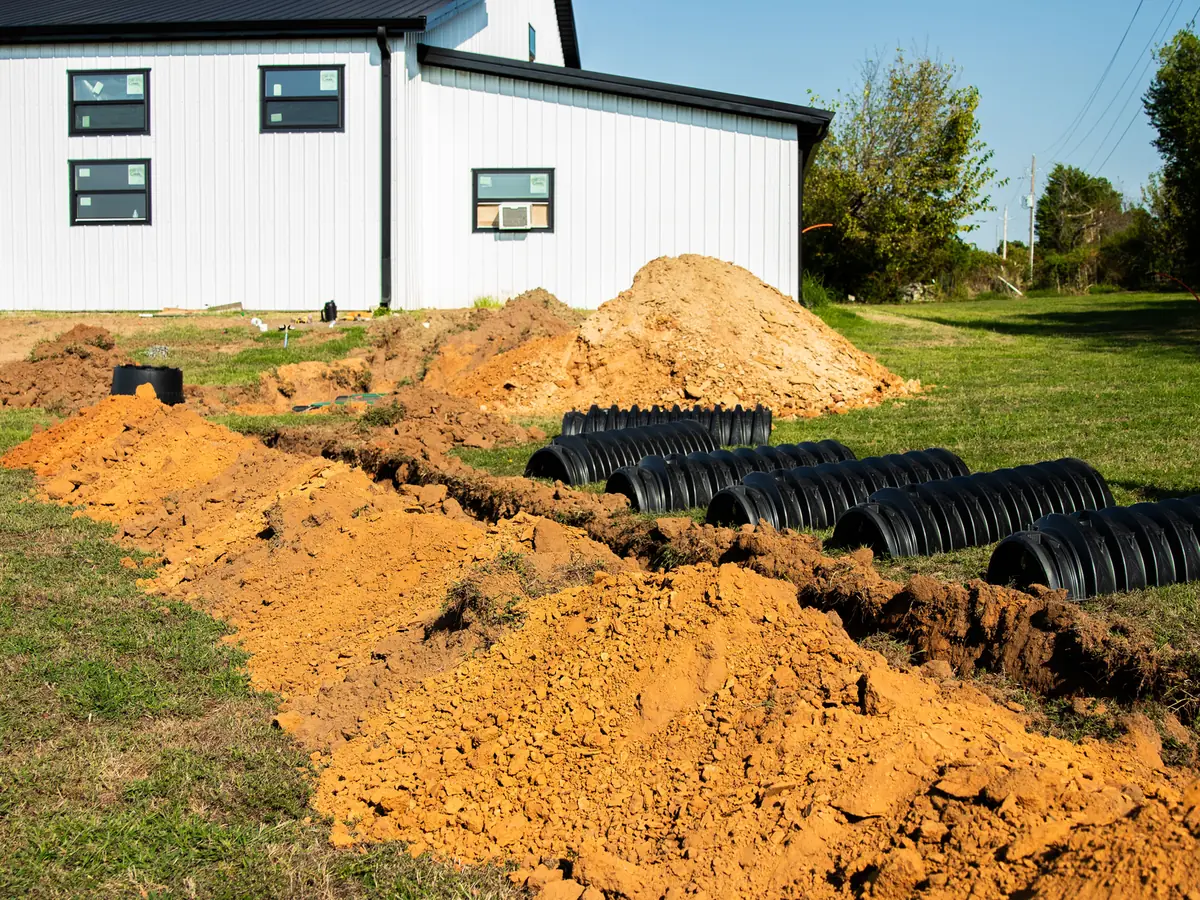
We install new septic systems for new homes and replace systems that have failed. The tank and the lateral lines are sized to the house and laid out to fit the lot.
Learn More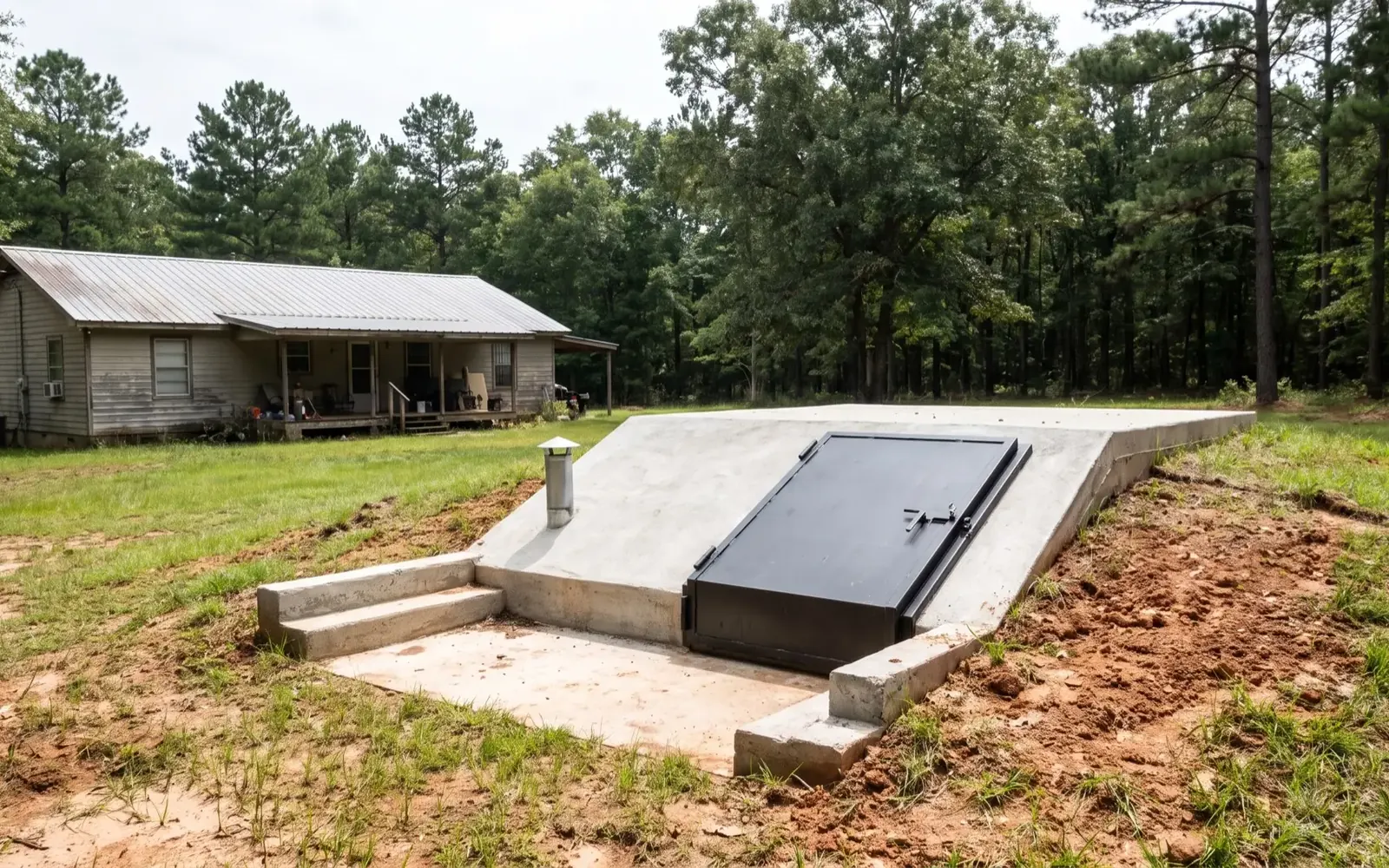
Oklahoma averages about 59 tornadoes a year, and May alone averages 24. Eastern Oklahoma Septic Services installs storm shelters for homes in Sapulpa and across the Tulsa area. Most of a storm shelter installation is earthwork, and earthwork is our trade. We dig to the shelter's depth, set it level, backfill around it and grade the yard so rain runs away from the door.
We are based in Sapulpa and work about 40 miles around it, across Creek County and the Tulsa area. On a lot with a septic system, we set the shelter clear of the tank, the lateral lines and the spray area. Those parts are hard to see from the surface, and we look for them first. Storm shelters sit beside our septic and aerobic system work. Call or text (918) 645-0557, and we look at the job and put the quote in writing.
Tell us about the new install or what your septic or aerobic system needs, and where the property is. We look at the job and put the quote in writing.
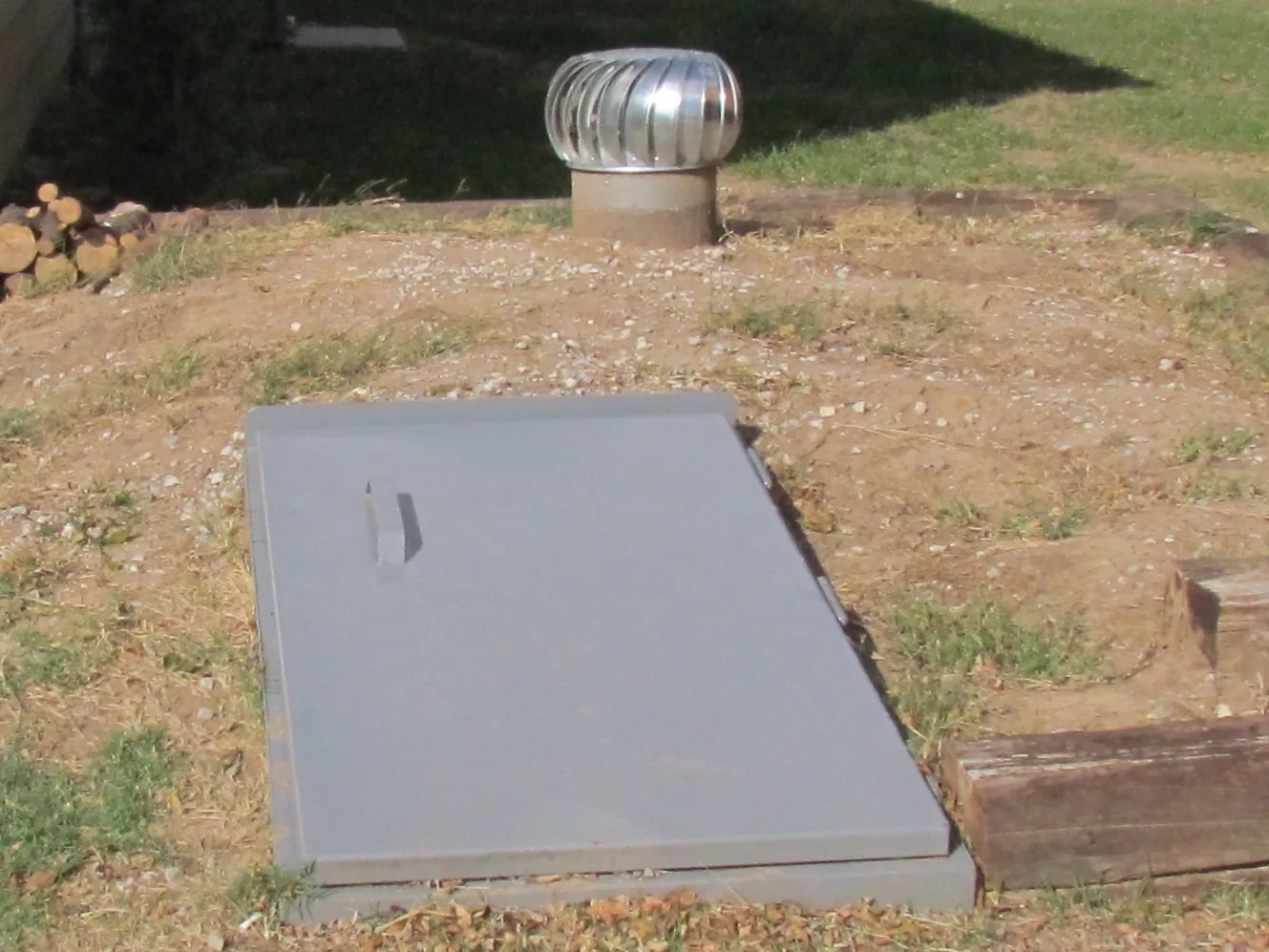
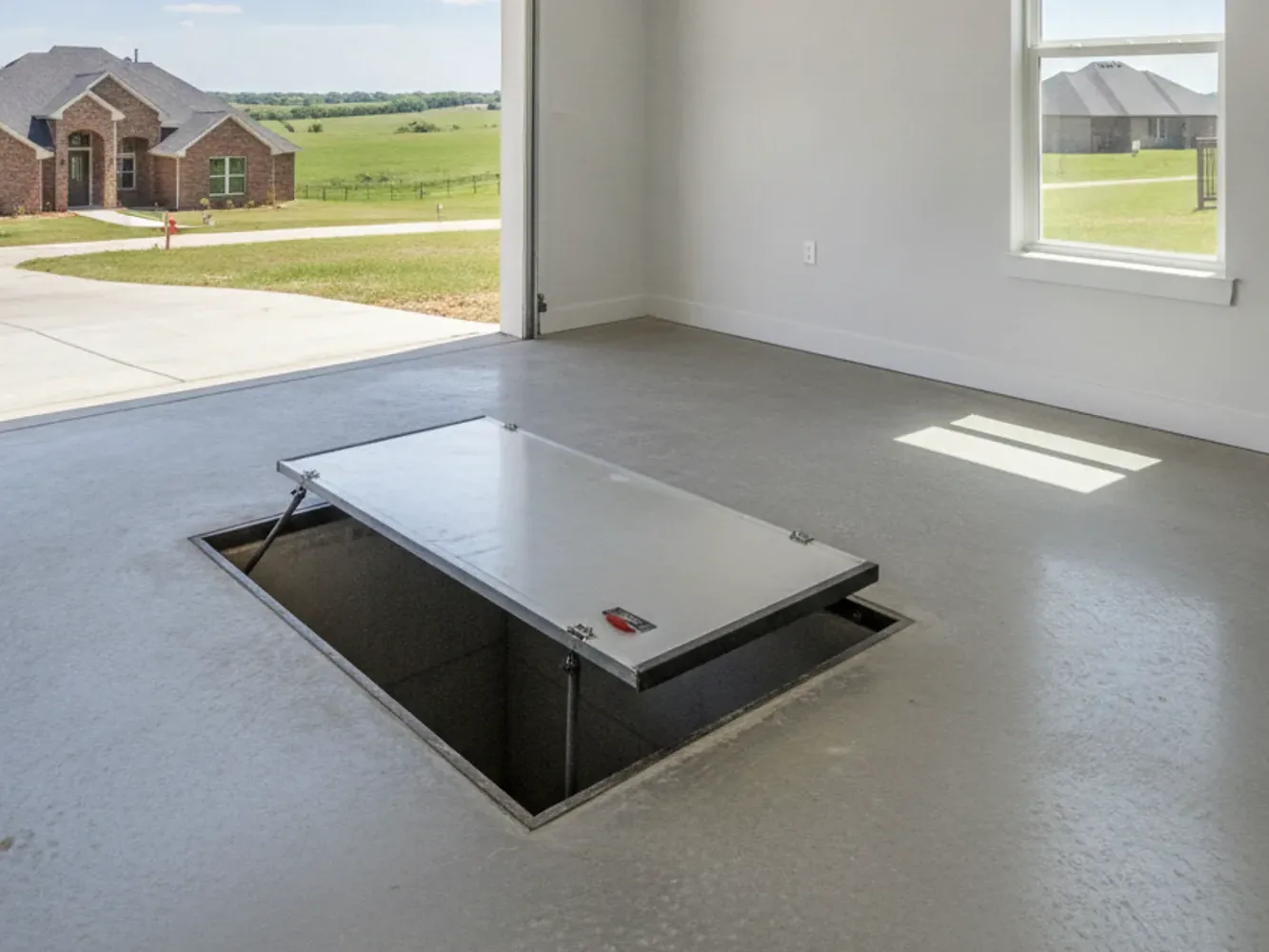
Storm shelters come in three shapes. An in-ground shelter sits in a hole dug in the yard, with the door at ground level or on a slope. A garage floor shelter drops into a cut in the slab. An above-ground safe room bolts to a slab inside the house or garage. The in-ground kind is the one that calls for digging.
The Federal Emergency Management Agency (FEMA) writes the design guidance for home safe rooms. Its current guide, FEMA P-320, follows the ICC 500 storm shelter standard, and both use a design wind speed of 250 miles per hour. FEMA says an in-ground shelter gets its protection from flying debris from the soil over it. An above-ground unit has to pass impact tests to prove the same thing.
Look for the test label on the door. ICC 500 requires every shelter door assembly to carry a label from an independent testing agency. FEMA reports no failure of a safe room built to its criteria in any storm to date. The shelter maker's paperwork should name the standard the unit was built and tested to.
The job starts with a locate request to OKIE811. Oklahoma law requires that notice at least 48 hours before digging, not counting the day of the request, weekends and legal holidays. The marks cover the utility companies' lines, not your septic system. On a lot with a septic system, we mark the tank and the lateral lines ourselves. The system's inspection record and what we find on site tell us where they run.
Then we dig the hole to the depth and footprint the shelter maker calls for. We set the shelter level and follow the maker's instructions for the base and the anchoring. FEMA calls anchoring the critical part of how a prefabricated shelter performs in high wind. The dirt goes back in around the walls and gets compacted, so the ground does not settle later.
The last step is grading. Rain has to run away from the door. A below-ground shelter has to stay dry in the kind of storm that sends you into it. FEMA does not support a safe room anywhere floodwater could reach the people inside, and it bars shelters from floodways. We leave the yard graded and the door clear.
Inside Sapulpa, building permits come from the city's Building Inspection Department at the City Hall Annex, 424 E. Hobson Ave. FEMA notes that the model residential code does not exempt storm shelters from a building permit. Jenks requires a permit for every outdoor storm shelter. Creek County says it is not issuing building permits or doing inspections outside city limits. A floodplain development permit still applies in the regulated floodplain there. Ask your city before the install date, and tell us what it requires.
Register the shelter once it is in. The Sapulpa Fire Department keeps an online Safe Room and Storm Shelter Registration. The form asks for the address, the type of shelter, where it sits on the lot, who uses it and any medical needs. Creek County Emergency Management has a Safe Room Registration Form for the county. Tulsa, Broken Arrow, Bixby, Jenks and Glenpool each keep their own registry. After a storm, crews use the list to find a shelter buried under debris.
Oklahoma's SoonerSafe rebate pays part of a safe room's cost when federal money funds it. The Oklahoma Department of Emergency Management picks homeowners by random drawing from an annual registration at soonersafe.ok.gov. The rebate covers up to 75 percent of the cost, with a cap of three thousand dollars. For 2026 the program is not open, and the department has said it received no new FEMA funding this year. Rebates from earlier years are still being paid.
Call or text for a written quote. We work about 40 miles around Sapulpa across the Tulsa area.
(918) 645-0557From the first call or text to the finished work, here is how it goes.
Call or text (918) 645-0557 and tell us what you need and where the property is. Photos help.
We come out and look at the lot or the system. On a problem call, we find the cause on site.
You get the quote in writing, with the work spelled out. Once you say yes, we set a date for the work.
For an install, we set the tank and lay the lateral lines, or set an aerobic unit with spray heads. For a repair, we fix the part or the line that failed.
When the work is done, we tell you what we did and what we saw. You also hear what the system may need next.
Common questions about storm shelters around Sapulpa and the Tulsa area. If yours is not here, call or text and ask.
We install new septic systems for new homes and replace systems that have failed. The tank and the lateral lines are sized to the house and laid out to fit the lot.
Learn More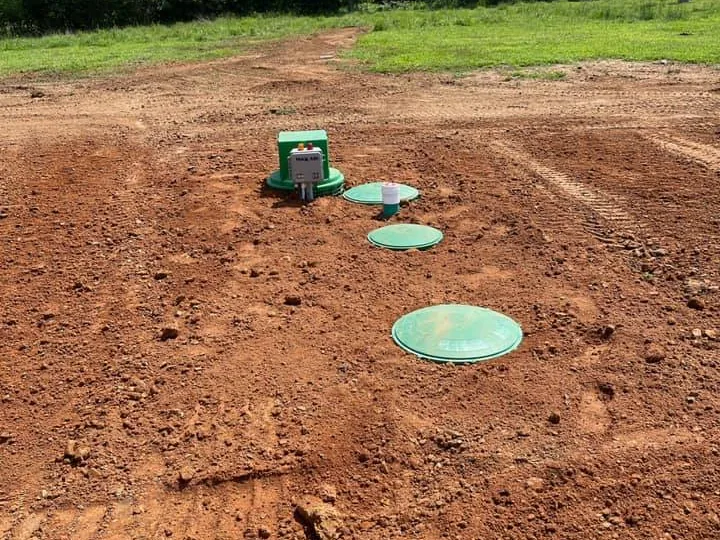
We install aerobic septic systems with spray heads on lots where a conventional system will not work. We also replace failed aerobic units and repair the parts that wear out.
Learn More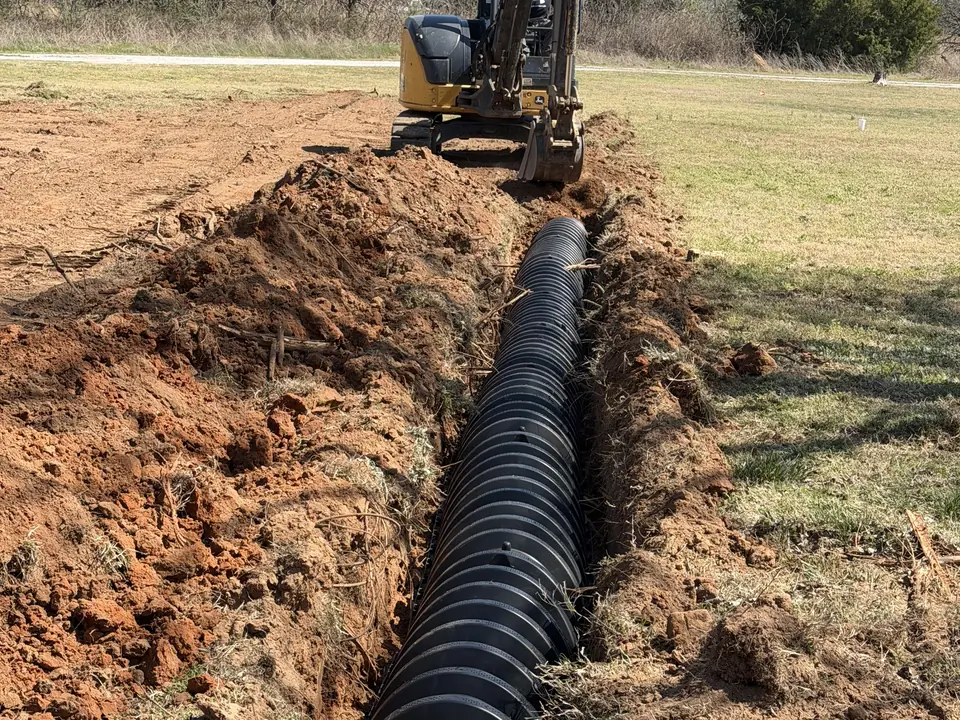
Soggy ground and slow drains after a rain often point to the lateral lines. We find the problem on site, then repair the lines or put in a new lateral field.
Learn MoreWe work on conventional systems with a tank and lateral lines, and on aerobic systems with spray heads. We install new systems of both kinds.
We put in septic systems for new builds on lots without city sewer. When an old system fails, we replace it with one that fits the lot.
We look at the job on site before we price it. Then the quote comes to you in writing, with the work spelled out.
We work about 40 miles around Sapulpa, Oklahoma. That takes in Tulsa and its suburbs, plus rural lots across Creek County and the counties around it.
Tell us about the system or the lot, and where it is. Call or text (918) 645-0557 or use the form, and we will get back to you.
Tell us about the new install or what your septic or aerobic system needs, and where the property is. We look at the job and put the quote in writing.